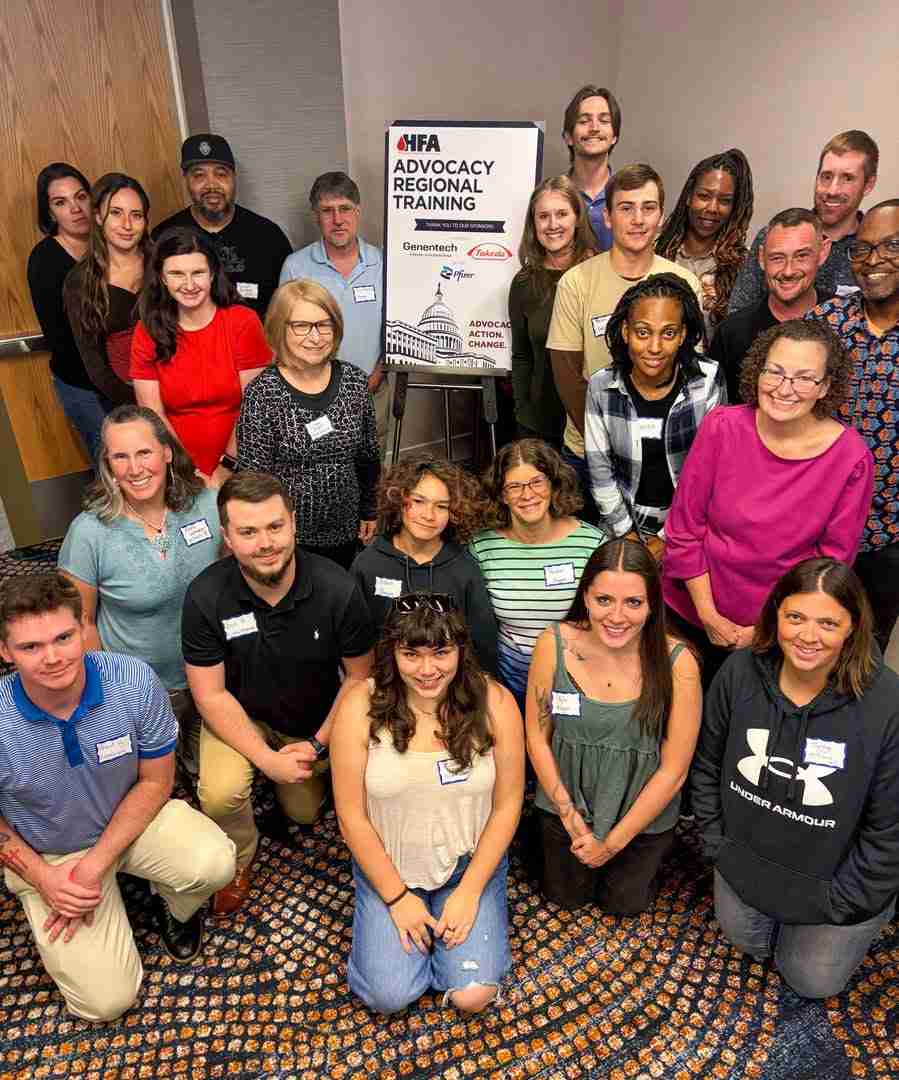
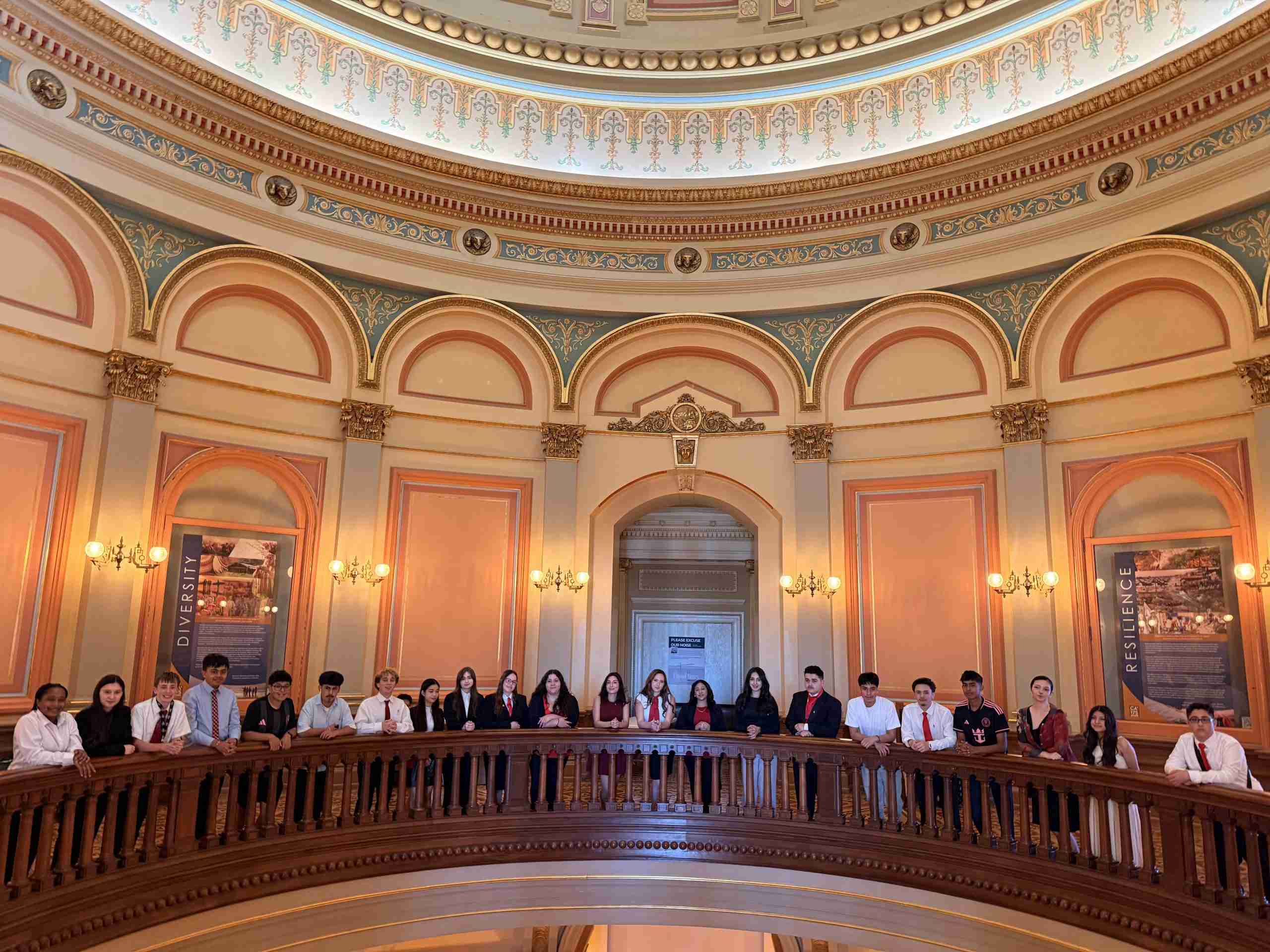
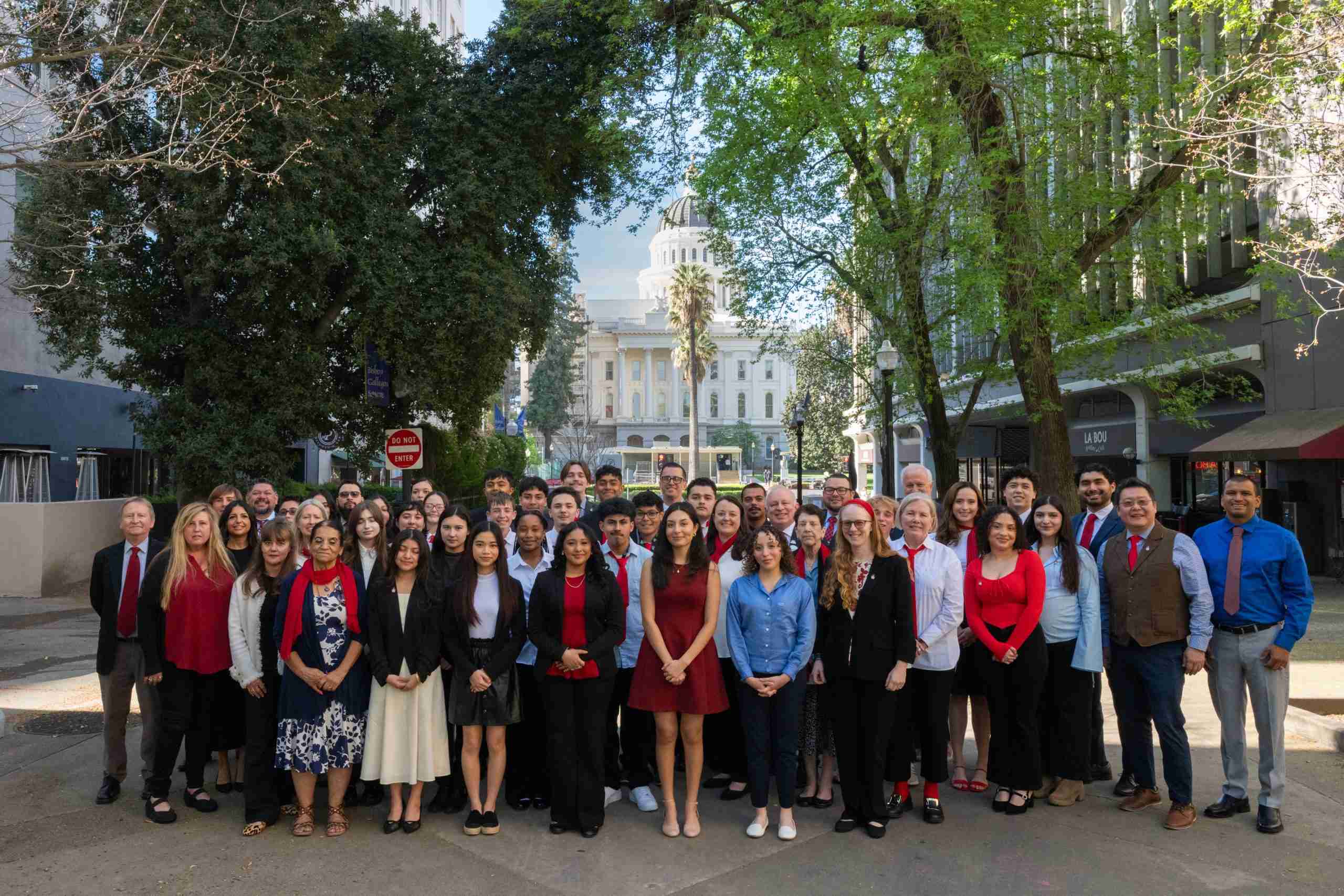
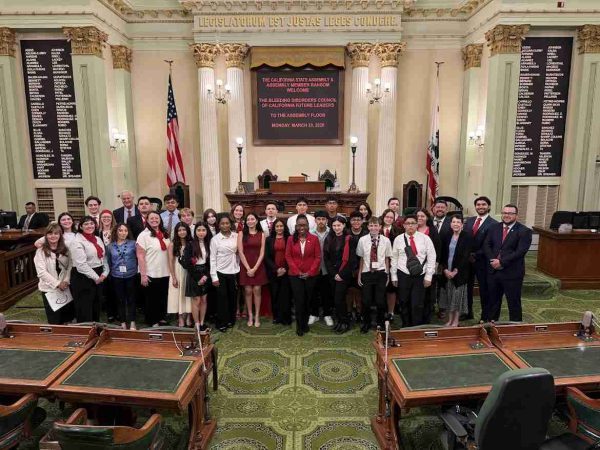
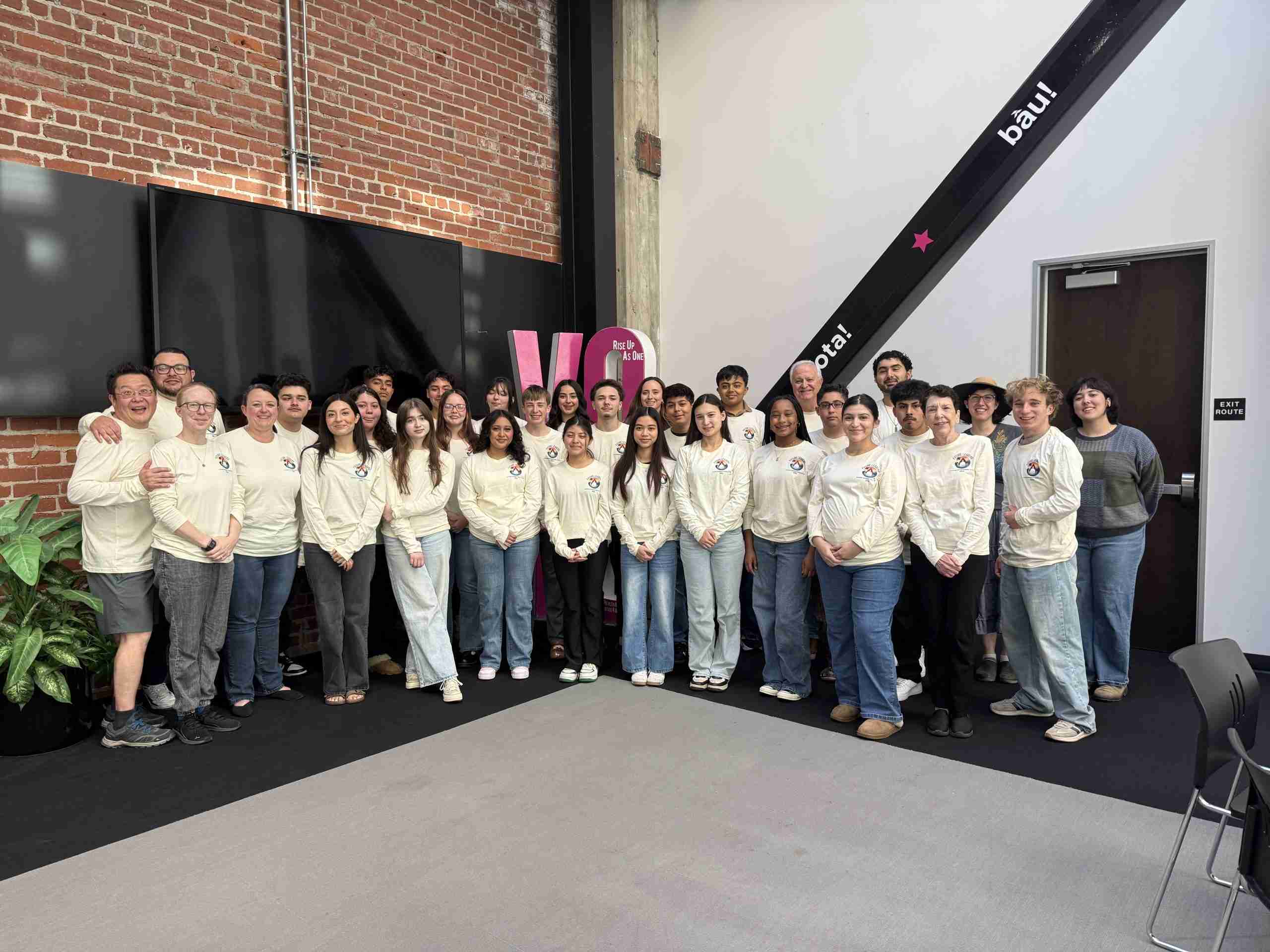
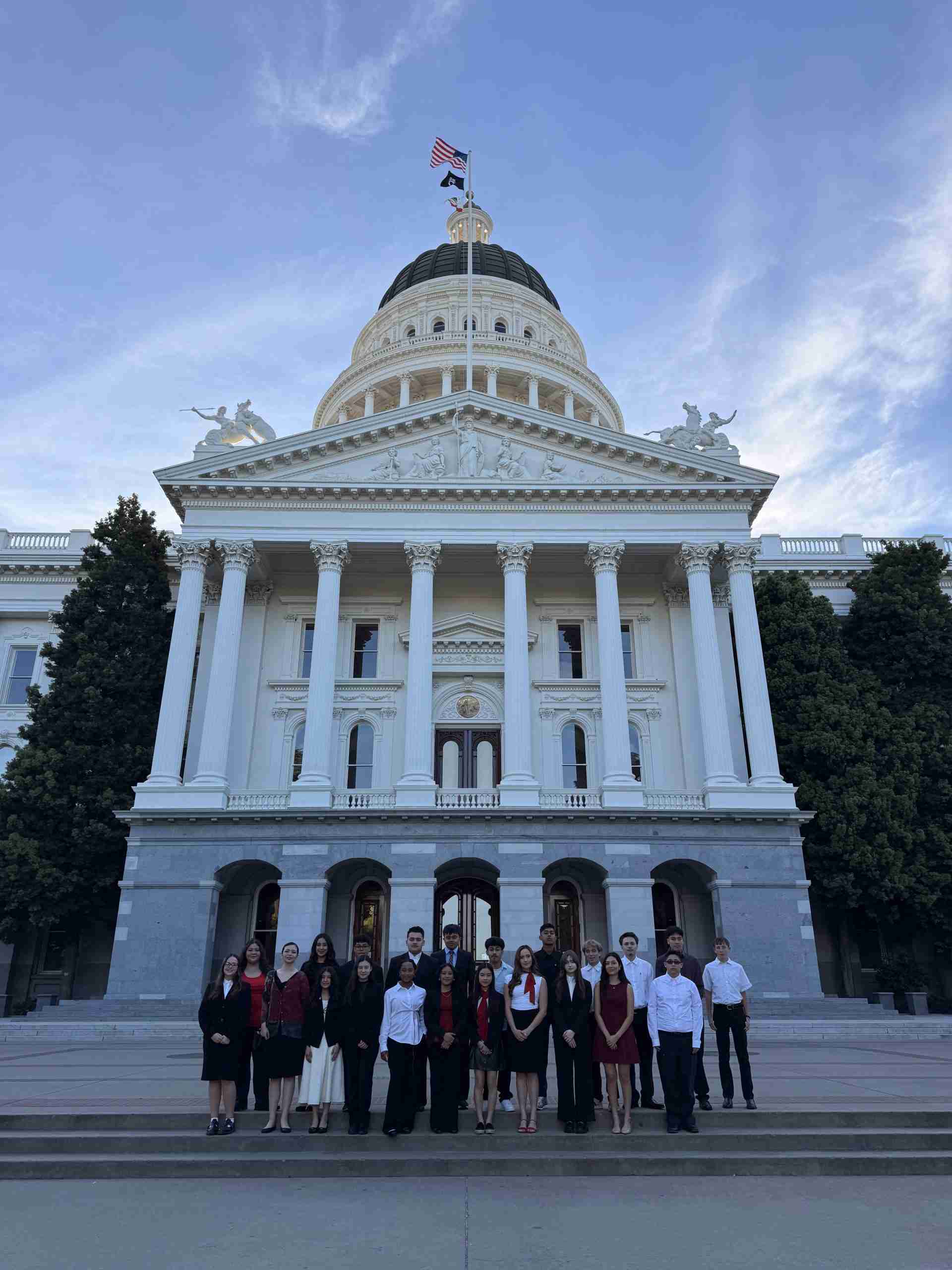
Participating in BDCC’s Fall Advocacy Days this year was a meaningful reminder of why I first stepped into advocacy within the bleeding disorders community. Even as my life has grown busier, with medical school, clinical responsibilities, and the general chaos of becoming an adult in healthcare, these Advocacy Days always bring me back to the core truth that our voices genuinely matter.
The training sessions this year were especially grounding. They gave us not only the policy updates and legislative priorities we needed to speak confidently, but also the collective sense of purpose that comes from being surrounded by people who understand the challenges faced by those with bleeding disorders. I always appreciate how the BDCC team balances education with empowerment; by the time we finished training, I felt prepared, supported, and genuinely excited for the meetings ahead and the impact I could generate by participating in them.
Our legislative meetings were equally impactful. As advocates, we all come with different personal perspectives, but during these conversations, we become a unified front, patients, families, providers, and supporters speaking with one clear message: access, equity, and stability in care matter even given the contemporary healthcare challenges. I was struck, as I am every year, by how receptive many offices were to hearing about the lived realities of navigating chronic and often invisible conditions. Sharing stories from our community, stories about treatment access, financial strain, and the daily work of just trying to stay healthy, reminded me why advocacy is not optional; it’s essential.
What I value most about Fall Advocacy Days is the way they bridge personal experience and political change. It’s easy to feel like one voice can’t shift policy, but when we speak together, that changes and our weight grows exponentially. I’m grateful to BDCC for creating these opportunities and for trusting us to represent the community. Every time I participate, I leave more inspired, and more committed, to continuing this work, both as an advocate and as a future physician.